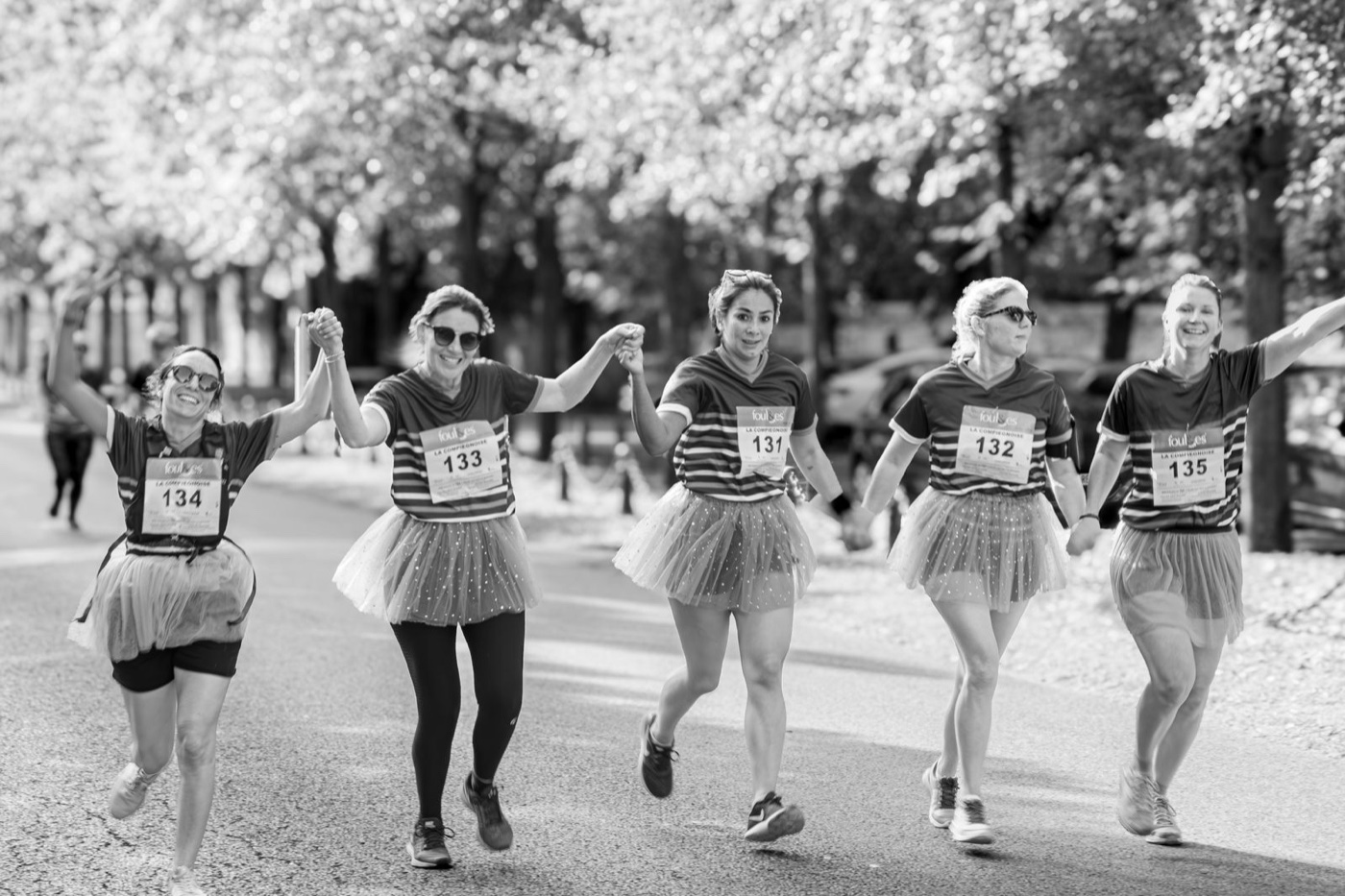
Twins can share biology, routines, motivation and a lifelong point of comparison. TwinPare explores what twin health research can teach us about shared genetics, different outcomes, lifestyle, fitness and future health challenges.
This guide explores twin health research, what twins teach us about fitness and lifestyle, and how TwinPare Health &
Fitness is being built around motivation, comparison, progress and healthier habits.
🩺
This page provides general information about twin health topics and is not medical advice. Always consult a qualified healthcare professional for personal health decisions, diagnosis, treatment or medical guidance.
Health guide
What twin research tells us about living healthily
TwinPare looks at twin health through a practical lens: shared biology is fascinating, but daily habits, recovery,
sleep, stress and support still matter. This page is general information, not personal medical advice.
1. Twin health and shared biology
Twins, especially identical twins, can share very similar biology. That makes twin pairs valuable for health
research because they help researchers explore how genetics and environment relate to health outcomes.
↗MedlinePlus Genetics
When researchers compare health outcomes between identical twins who have lived differently, those comparisons can
help highlight the possible role of lifestyle and environment. TwinPare translates that idea into a simple everyday
question: what changes when two similar people build different habits?
2. Why identical twins can have very different health outcomes
Despite their shared DNA, identical twins can develop different health histories. One twin may experience a
condition, risk factor or recovery pattern that the other does not.
Possible explanations include differences in lifestyle, environment, stress, sleep, diet, exercise, healthcare
access and epigenetic changes that can accumulate over time.
Identical twins can share genetic risk and still have different health outcomes. Lifestyle and environment can matter.
3. Lifestyle differences between twins
As twins grow older, they often diverge in their lifestyles. Different careers, relationships, cities, stress
levels, sleep habits, eating patterns and exercise routines all have cumulative health effects.
Twin research supports a practical message: genetics can matter, but health is not only genetics. The choices and
conditions around sleep, movement, nutrition and stress can still shape outcomes.
4. Fitness and training response
Research suggests that responses to exercise training can have a genetic component. Twins are useful in this area
because researchers can compare how genetically similar and less genetically similar twin pairs respond to similar
routines.
This does not mean your fitness potential is fixed by your genes. Individual motivation, consistency, recovery,
sleep and nutrition all play a major role. TwinPare treats genetics as context, not a ceiling.
TwinPare Health & Fitness is being built around that insight: comparison can be motivating when it is designed to
support progress, accountability and healthier habits rather than shame.
5. Sleep, stress and recovery
Sleep quality and stress management are important health levers for everyone, including twins. Twin research can
help separate biological tendencies from lifestyle and environment, but everyday sleep habits still need practical
attention.
Stress and life circumstance can affect sleep significantly. One twin under high work, family or relationship stress
may sleep very differently from the other. That difference is not automatically destiny; it can be a signal to adjust
recovery, routines or support.
6. Nutrition, diet and habits
Diet preferences and metabolism can have biological influences, but dietary habits are also shaped by culture,
environment, education, budget, family routines and personal experience.
Twins may share childhood food environments and later diverge substantially as adults. That makes nutrition another
area where twin comparison can be interesting, but it should never replace personalised professional advice.
Healthy eating is an individual practice regardless of your genetics or whether you have a twin.
7. Safe sleep for newborn twins
The American Academy of Pediatrics provides clear safe sleep guidance that applies equally to all babies,
including twins.
↗AAP
Each twin should sleep on their back, on a flat and firm surface, without soft bedding, pillows, bumpers or
loose objects. Room-sharing with parents for at least the first six months is recommended. Each baby should have
their own separate sleep space.
8. Wearables and personal health tracking
Wearable health devices can help individuals monitor sleep, heart rate, activity, recovery and stress patterns. For
twins, comparing wearable data can make similarities and differences more visible.
This kind of data can motivate habit changes when used thoughtfully. Seeing a difference in recovery, sleep quality
or activity between yourself and a twin or training partner can create a concrete reason to adjust routines.
9. Twin challenges and motivation
Healthy competition and accountability are powerful motivators. Twins have a natural comparison point built in,
which makes them well suited to challenge-based health and fitness programmes.
The TwinPare platform is being built with challenge systems, health tracking and community features designed
for twins, twin families and anyone inspired by the twin model of shared motivation and friendly competition.
Whether you are tracking fitness, nutrition, sleep or recovery habits, having a twin-inspired challenge partner can
make progress feel more social, measurable and fun.
FAQ
Twin health questions answered
Yes. Even though identical twins share very similar DNA, they can develop significantly different health outcomes over time. Differences in lifestyle, environment, stress, diet, sleep, exercise and epigenetic changes all contribute to health divergence. This is one of the most important findings of long-term twin health research.
Research suggests that responses to exercise training have a genetic component. Identical twins tend to respond more similarly to the same training programme than fraternal twins. However, individual variation, motivation, recovery, sleep and consistency still play a major role in actual fitness outcomes.
Twins share some of the same genetic risk factors for diseases, but their actual health outcomes often differ. Lifestyle, environment and chance all affect whether genetic risk translates into actual illness. Even identical twins can have different health histories.
Twin health research has provided important evidence for the genetic basis of many conditions including heart disease, type 2 diabetes, depression, anxiety and certain cancers. It has also shown that lifestyle factors such as exercise, diet, sleep and stress management can significantly modify genetic risk, which has important implications for preventive health.
Safe sleep guidelines apply equally to both twins. Each baby should sleep on their back on a flat, firm, clear surface. The AAP recommends that twins share a room with parents for at least the first six months, but each baby should have their own separate sleep space — not the same cot or bed.